

Service
Air Conditioning (AU065778)
Nambour Brake & Service Centre care about the environment and have Arctick Authorisation (AU065778) to conduct automotive air conditioning services
Read moreModern vehicle air-conditioning systems have transitioned from R-134a to R-1234yf refrigerant due to strict environmental regulations and advancements in system design. While this change reduces environmental impact, it also means that today’s A/C systems are more sensitive, more technical, and require properly trained specialists for accurate servicing. Understanding the differences between these refrigerants and how they affect your vehicle is essential when choosing a qualified workshop to maintain or repair your system.

R-134a was a reliable refrigerant for many years, but its extremely high global warming potential (GWP) prompted a worldwide shift toward cleaner alternatives. R-1234yf, now used in most vehicles manufactured after 2017, offers almost identical cooling performance but with a GWP of less than 1, vastly lower than R-134a’s GWP of 1,430 (1,2).
However, the transition brought major differences in system design, safety requirements, and diagnostic procedures. This is why choosing a properly certified and well-equipped workshop is critical.
2.1 Mild flammability and strict handling procedures
R-1234yf is classified as a mildly flammable A2L refrigerant, meaning it must be handled with safety-rated equipment and appropriate workshop procedures (3). Not all garages have this capability.
2.2 Unique fittings and service equipment
R-1234yf systems use completely different fittings and dedicated service machines. Using outdated or incorrect equipment risks contamination, poor performance, or even system damage (4).
2.3 Lubricant and component compatibility
These systems require specific PAG oils designed for R-1234yf’s chemical characteristics. Using the wrong lubricant can destroy compressors or reduce cooling performance (5).
2.4 Higher leak sensitivity
Because R-1234yf is more expensive and used in precise quantities, even small leaks can dramatically impair performance. Proper leak detection identified by using equipment approved for A2L refrigerants is essential (6).
These differences highlight the need for expertise, accuracy, and regulated equipment qualities that not every workshop can provide.
3.1 NBSC are fully equipped and certified for BOTH refrigerants
Many garages offer only basic A/C services or are restricted to older R-134a systems. Our workshop is equipped with manufacturer-approved R-1234yf service machines, flame-safe recovery units, and accurate charging devices. This ensures your system is serviced safely, legally, and to exact automotive standards.
3.2 NBSC technicians are trained specialists
R-1234yf systems demand dedicated knowledge. Our technicians undergo continuous training based on current industry guidance and refrigerant safety regulations (1–11). This means:
Your air-conditioning system is handled by professionals who understand its engineering, not by guesswork.
3.3 Advanced leak detection and diagnostic capability
Modern A/C faults are often misdiagnosed by untrained garages. NBSC use:
This allows us to pinpoint the exact cause of cooling issues, saving customers from unnecessary repairs or repeated recharges.
3.4 NBSC protect your compressor and system longevity
Incorrect servicing is the number one cause of premature compressor failure. By ensuring correct oil types, proper charging levels, and calibrated equipment, we significantly reduce the risk of long-term damage protecting the most expensive part of your A/C system.
3.5 Transparent service, honest advice, and long-term value
NBSC explain every step of the process:
There are no hidden costs, and no unnecessary recharges. You receive an honest, reliable service delivered by people who care about the long-term health of your vehicle.
As R-1234yf becomes the new standard, expert handling is more important than ever. Nambour Brake & Service Centre provides the technical knowledge, certified equipment, and disciplined safety practices required to maintain today’s environmentally compliant A/C systems. Whether your vehicle still uses R-134a or has already transitioned to R-1234yf, our professional service ensures correct diagnosis, proper maintenance, and long-lasting reliability.
Choosing Nambour Brake & Service Centre means choosing accuracy, expertise, and genuine care for your vehicle’s performance and safety...
Nambour Brake & Service Centre care about the environment and have Arctick Authorisation (AU065778) to conduct automotive air conditioning services
Read more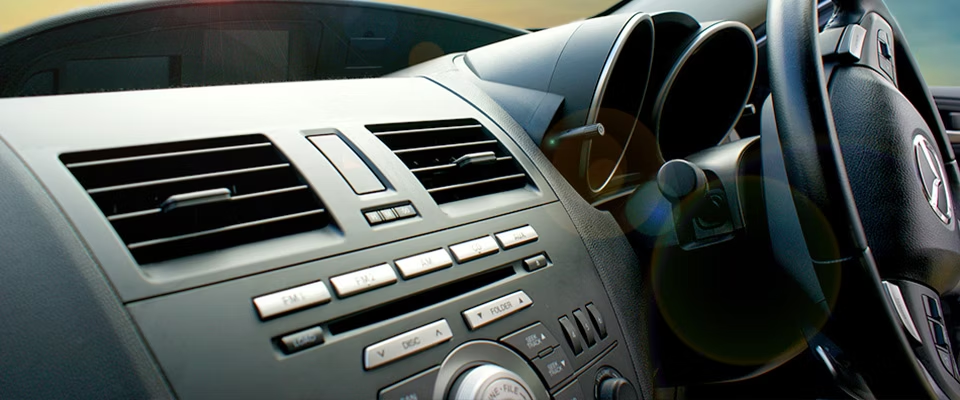
Keep cool and save fuel with expert car AC services by Nambour Brake & Service Centre (AU27467) in Nambour. Ensure optimal performance with our certified regas, repairs, and inspections.
Read more
As your local Mechanic in Nambour}, Nambour Brake & Service Centre take great pride in offering our clients the very best in car servicing and automotive repairs.
Read more